


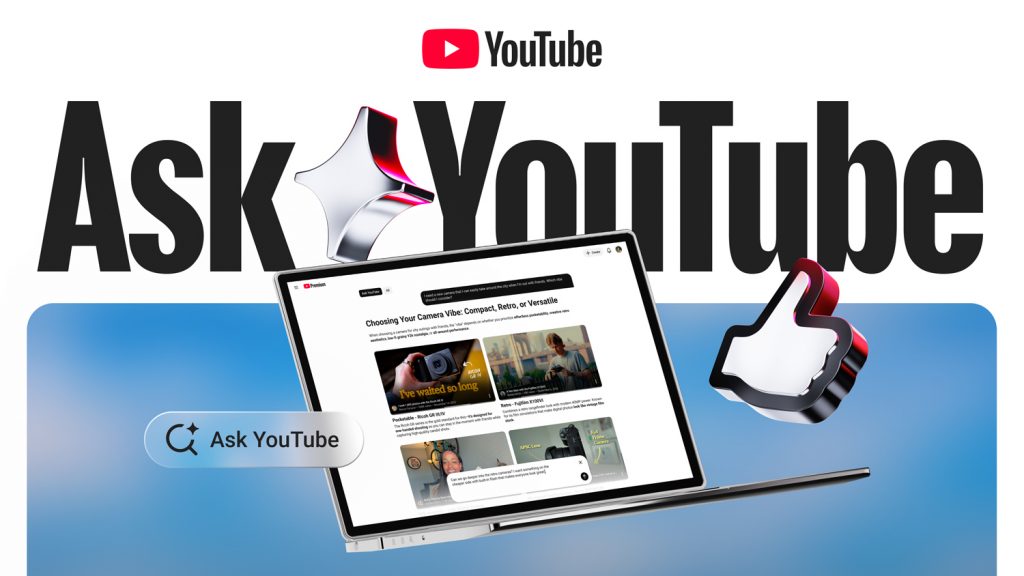
Platforms like YouTube have been leveraging machine learning technology for years to curate social media feeds. Now, in the era of generative AI, YouTube is building upon this technological foundation to introduce a novel method for creating personalized video feeds, as announced at the Made on YouTube event on Wednesday.
Users will soon be able to generate multiple custom video feeds by interacting with YouTube in plain language, similar to how they would engage with a chatbot. This allows for feeds focused on specific topics, such as photography or college football, with YouTube creating dedicated tabs for each feed on the homepage. The feature will be rolled out across desktop, TV, and mobile platforms in the US next month.
YouTube’s experimental Ask YouTube tool, which enables AI-powered video searches, is expanding its capabilities. When searching for information about a new product, like the iPhone Duo, the Ask YouTube AI can gather data from videos and external sources to create comparison tables and other resources. Users can click on a suggested video and continue asking questions on the video’s watch page.
This functionality resembles how chatbots search the web, compile information, and cite sources. However, similar to the decline in traffic experienced by digital publishers due to generative AI, there’s a risk that YouTube’s AI-enhanced search could reduce the need for users to click on video links and consume original content.
«Our goal is to connect viewers with the right videos more quickly. With Ask YouTube, we anticipate watch time to remain stable or improve,» a YouTube spokesperson told Gfaloe. Other AI features, such as chapters and AI-generated summaries, «showed no negative impact on watch time; instead, they helped retain viewers.» Videos featured in AI search results will «prominently display the video title and channel name,» the spokesperson added.
The integration of AI into YouTube has been an ongoing project for its parent company, Google, in recent years. While creators have been using AI for video editing and production, resulting in an influx of AI-generated content, the platform has been incorporating new tools powered by Google’s Gemini models. YouTube is now focusing its AI efforts on personalization, targeting both viewers and creators, with the ultimate goal of keeping users engaged and monetizing content. Gemini is also being added as a content creation assistant for Shorts and the YouTube Create app.
YouTube has faced criticism this year following a landmark court ruling that found Meta and Google designed their platforms to be intentionally addictive to children and teenagers, harming their mental health. YouTube has denied these allegations, stating that it is a streaming platform, not a social media platform. Many child safety researchers and advocates are concerned about social media platforms adding more AI features. We have already seen how AI features can harm children, such as in the case of Reuters’ 2025 investigation, which found that Meta’s AI chatbots on Instagram would engage in sexual and romantic role-playing with children.
Creator-specific tools coming to YouTube
YouTube is launching a dedicated tool for episodic content called Shorts series. This will allow content creators to designate videos as part of a dedicated series, complete with season and episode numbers. As more creators invest in serialized content, such as Sydney Jo’s The Group Chat series or microdramas, this tool will enable them to separate and highlight these videos from their other posts. Viewers will be able to find and watch these videos more easily. The series will be available as a playlist on a creator’s page. Only creators in YouTube’s partner program will have access at launch, available on web, mobile, and TV.
YouTube is also providing creators with two new ways to personalize content for their viewers. Creators will be able to test multiple thumbnails and preview clips for their videos. YouTube will serve the video to real viewers, and based on the performance of each thumbnail and video cut, it will match a viewer with the version YouTube believes they are most likely to click on. This type of personalization is a key aspect of AI’s potential for digital marketers.
Auto dubbing, or real-time audio translation, will be available for livestreams, starting with English and Spanish, with plans to expand to additional languages in the future. YouTube is also expanding creators’ options for monetizing their content through a new affiliate partnership with Amazon.