


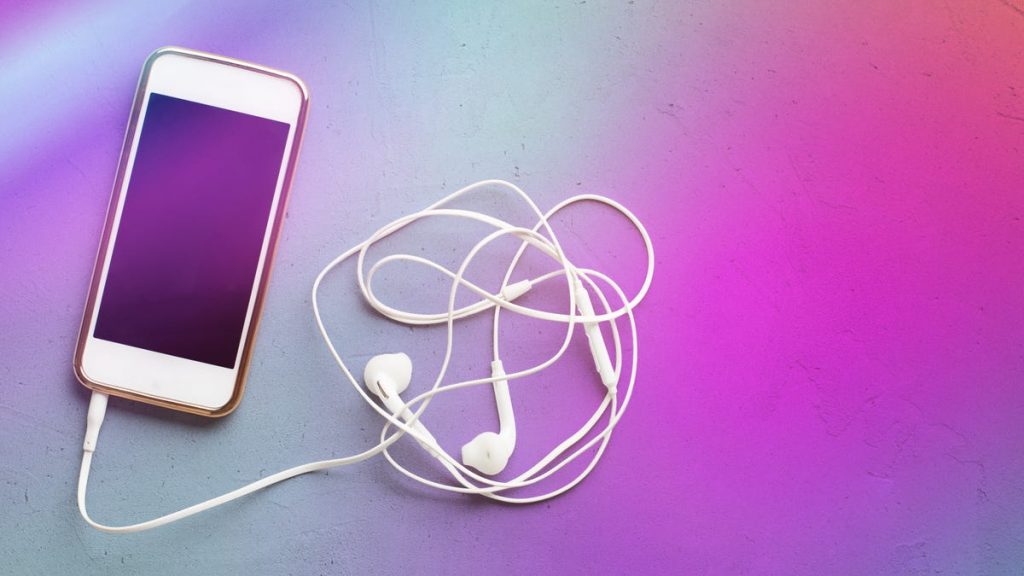
Back in the days before smartphones, it seemed like everyone had an MP3 player. The best-known device was the iPod, which debuted in 2001. It wasn’t the first portable media player, but it definitely helped popularize the idea of putting 1,000 songs in your pocket.
MP3 players continued to exist alongside smartphones for some time, and even added support for additional music file formats like WAV, AAC, WMA and FLAC. But as music streaming replaced the traditional practice of buying digital albums and tracks, it wasn’t long before having a separate music player felt redundant. iPod sales peaked in 2008 (the same year Apple launched the App Store for iPhones), and the last iPod was discontinued in 2022.
Still, just because you can keep all your music on your phone, that doesn’t mean it’s always the best idea. Let’s say you’re headed to the gym or going out for a run, and you don’t want to be tempted to check your messages. A separate portable music player gives you all your tunes without the distracting notifications.
Or say you’re somewhere with a poor signal: You’re riding the subway or driving through the woods, and you want to listen to a podcast. You can still access any episode that you’ve downloaded to your phone. But all those files take up precious storage space, which is probably already being used by your apps, photos and videos.
One solution is a 2000s throwback: keep all your music and podcasts on a separate device.
Before you rush out to buy a secondhand iPod or Zune, you might want to dig through that box in the back of your closet. Chances are, you already own a device that can be used as a dedicated MP3 player.
Your old smartphone is perfect for this task; it doesn’t have the classic iPod click wheel, but it can still run Spotify or hold the music files you own.
What are the requirements for turning an old phone into an MP3 player?
Your old phone probably no longer has a data plan. No problem: as long as it can still hold a charge and power up, you can play any track that you’ve saved in your digital music library.
If you can connect your device to Wi-Fi, you can use it to stream songs or podcasts. And if you download your files while your device is connected to your home internet, then you can take them with you wherever you go.
To save your songs and podcasts, you’ll need to use the latest version of your preferred music streaming app. Even if your old phone can’t upgrade to the latest system software, there’s a decent chance that it can still run Spotify, YouTube Music or similar apps.
Spotify can still be accessed on phones that were released eight years ago. You can download the app on any iPhone running iOS 16.1 (supported by devices as old as an iPhone 8 or iPhone X) or above. You have even more options if you use an Android phone: Spotify is supported on Android OS 7.0 (Nougat), which was released in 2016.
YouTube Music has similar requirements: you can download the app on iPhones running iOS 16 or above, and on Android phones running Android OS 8.0 or above.
SoundCloud can be downloaded on iPhones running iOS 16.4 or above, and on Android phones running Android OS 8.0 or above.
Apple Music has the fewest restrictions. The app can be downloaded on iPhones running iOS 10.0 or above, and Android phones running Android OS 5.0 or above.
How to put your music on your old smartphone
If you’re using a streaming app like Spotify or SoundCloud, you can download tracks, playlists and albums to listen to them offline. However, you’ll need to have a premium subscription to the service. (Spotify lets free users download podcasts.)
As for how much music, audiobooks and podcasts you can download, your main limit will be the amount of storage on your device.
Spotify lets you download up to 10,000 songs on up to five separate devices. You can keep your downloads indefinitely, as long as you maintain your Spotify Premium subscription and you access the app at least once every 30 days.
You can’t download individual songs separately on Spotify, but you can download albums or custom playlists. Tap the arrow icon to save the album or playlist to your library. Once they’re downloaded, they’ll be marked with a green arrow icon.
YouTube Music will let Premium users download an unlimited number of songs across up to 10 devices. To save a track for offline listening, tap the three-dots icon and tap Download. You’ll see a checkmark icon appear next to each saved track.
SoundCloud Go and Go Plus users can also download an unlimited number of tracks for offline listening. Tap the arrow icon next to any of your Liked songs and albums.
Apple Music subscribers can download up to 100,000 songs. Go to your library, tap the three-dots icon next to the tracks you want to save offline, and tap Download.
If you’ve purchased any songs or albums digitally, you can access those files from your phone’s music player app. And if you own CDs or other physical media, you might consider saving those tracks to your device with the help of an external disc drive.
Once your old phone is set up with your favorite tunes, all you need to do is find a pair of wired headphones and party like it’s 2005.
Don’t have an old phone? Here are some great portable MP3 players
If you don’t have an old smartphone lying around or don’t feel like setting it up, you can still buy a brand-new MP3 player. These modern devices are compact and easy to use. They’re relatively affordable, with some options under $100. And they include a headphone jack — arguably one of the most important components of a dedicated music player.