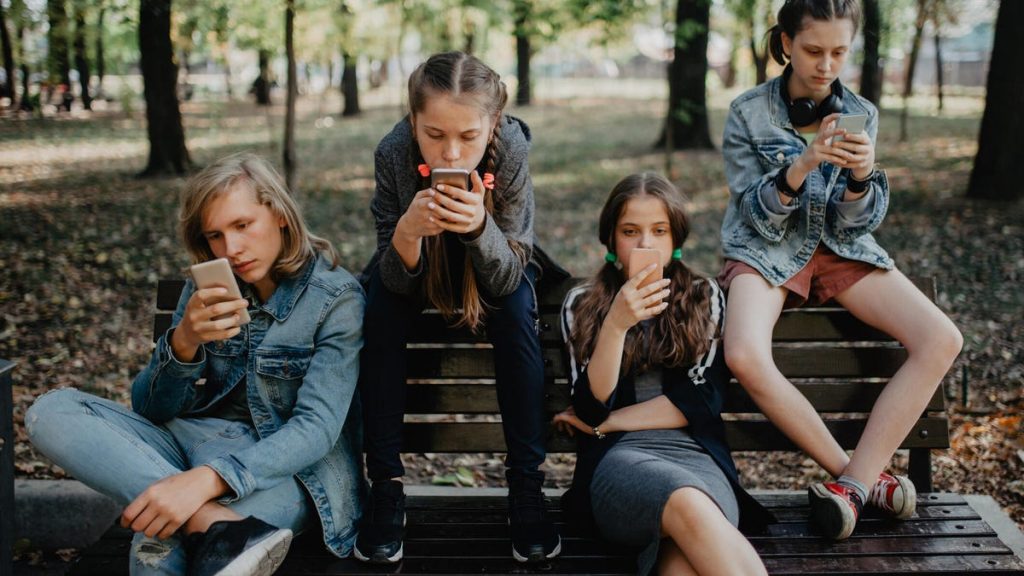
UK Announces Nationwide Ban on Social Media for Users Under 16, Extends Protections to All Teens
G.F.A.L.O.E.
The United Kingdom is set to follow Australia’s lead by prohibiting anyone under 16 from accessing social‑media platforms. Prime Minister Keir Starmer revealed on Monday that legislation will be tabled before Christmas, with the measures expected to take effect by spring 2027.
According to a government‑commissioned survey of more than 116,000 respondents, nine‑in‑ten British parents back the ban. Officials say the goal is to reduce screen‑scrolling time and give children more room for play.
“Parents want to keep their kids safe and happy, but the online world has made that harder than ever,” Starmer said. “I’ve heard families crying out for change, and we will act for them.”
The restriction will cover major platforms such as Instagram, Facebook, YouTube, TikTok, Snap and X, but it will not block under‑16s from using messaging apps like WhatsApp or Signal.
Growing awareness of the mental‑health risks and other harms linked to social media use among youngsters has prompted several nations to consider bans, with Australia implementing age‑verification rules at the end of 2025. The UK plans to adopt Australia’s lessons, employing robust age‑assurance systems to stop children from circumventing safeguards.
In the United States, a California court recently held Meta and Google liable for designing addictive services for children, while a New Mexico jury found Meta had misled users about safety and allowed child sexual exploitation on its platforms.
Britain’s approach will go beyond Australia’s by imposing a blanket prohibition on any service offering live‑streaming or stranger‑communication features, which will also affect gaming sites, Starmer explained. Automatic blocks on live‑streaming and contact with strangers will apply to users under 17 to avoid a sharp cut‑off at 16.
“We are moving further than any other country by banning social media for under‑16s and adding wider safeguards to give kids their childhood back,” Starmer said. “Tech giants missed their chance – we are stepping in to protect children, support parents and set a new norm for future generations.”
AI‑driven romantic chatbots will be required to enforce a minimum age of 18. The government is also examining overnight curfews and forced breaks in infinite scrolling for those under 18, with further details expected in July.
How are platforms reacting?
Starmer’s announcement follows a recent directive giving tech firms three months to stop children from creating, sending or receiving nude images. Combined with the Online Safety Act, which obliges online services to verify users’ ages, the UK’s rules represent some of the strictest worldwide.
While the intention is child safety, platforms argue that a total ban could push young users toward less‑regulated corners of the internet.
“We share the government’s goal of shielding young people from online harm,” a Snap spokesperson said. “But because most Snapchat use is private messaging with friends and family, an outright ban would disconnect teens from those relationships and could drive them to less safe environments.”
YouTube, a staple in many homes and schools, was highlighted as a particularly contentious case.
“We have invested for over a decade in expert‑led, age‑appropriate experiences and default protections for teens, and we will continue to do so,” a YouTube representative said. “A blanket ban would push kids out of curated, supervised content toward anonymous, riskier services.”
Meta defended its Teen Accounts, stating they already protect younger users. “Like others, we don’t believe bans achieve this goal,” the company said. “Australian experience shows bans can isolate teens from online communities and steer them toward unregulated alternatives lacking built‑in safeguards.”
Spokespersons for TikTok and X did not respond to requests for comment.
Even child‑welfare groups voiced concerns. The National Society for the Prevention of Cruelty to Children noted that a sweeping ban might miss the mark.
“While well‑intentioned, a blanket ban on teenagers accessing social media does not solve the problem of online safety,” said CEO Chris Sherwood. “For many young people, social media is a lifeline—a place for isolated teens to find community, for LGBTQ+ youth to feel accepted, and for neurodiverse children to learn and connect.”
He added that forcing kids to hide their usage could make them less likely to report bullying or grooming, effectively handing abusers an advantage.
“Children’s right to connection and a voice in the digital world shouldn’t be removed because tech firms haven’t yet secured them,” Sherwood argued, calling for regulators to hold companies accountable for wellbeing over engagement metrics.
Amnesty International UK’s chief executive Kerry Moscogiuri echoed this view, calling the ban “the right diagnosis but the wrong prescription.”
“You cannot solve a design problem with an access ban,” she said. “If platforms are harming children, the remedy should be regulation, not exclusion.”