


The FCC’s latest guidance could effectively ban robot vacuums, mowers and pool cleaners.
On Sunday, the Federal Communications Commission issued an important update clarifying how its national security restrictions on equipment from certain foreign companies apply to robots. The update may be broader than it first seemed. In addition to banning the import of new models of humanoid robots that walk and dance, the language could also apply to household devices like robot vacuums and other mobile technology.
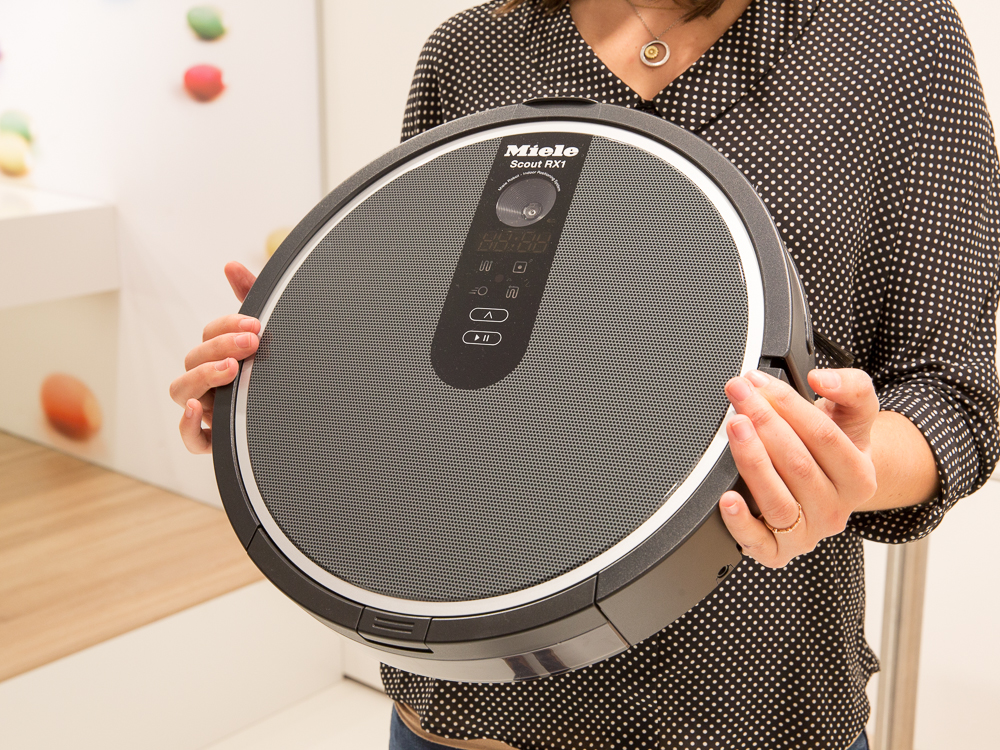
The key phrase in the FCC’s statement is “advanced robotic devices,” under which the agency includes autonomous robots that are “capable of locomotion, obstacle avoidance, navigation or movement on the ground.” The rule specifies the device and its ground station weigh over 4.4 pounds. Most robot vacuums are heavy enough to be affected, although fuzzy toys like SwitchBot’s AI pets are too light to be included. However, this rule will likely also apply to most robot lawn mowers, pool robots and even food delivery robots.
Any of these devices that use components from foreign companies may be banned, but those already for sale in the US or your current Roomba, Shark or Roborock aren’t at risk, since it applies only to new models that haven’t been brought to the US market.
“New foreign-produced advanced robotic devices and power inverters are generally prohibited from receiving FCC authorization to be imported, marketed, or sold in the US,” according to an FCC fact sheet. “This action does not affect any previously purchased devices.”
An FCC representative confirmed to CNET that vacuum devices are covered in the latest updates. Pool-cleaning robots and similar products like robot mowers are also likely to be affected.
The policy exempts sales to and use by the federal government, including the military. This is somewhat surprising given the report’s rationale for the ban, which cites additional vulnerabilities that could allow foreign firms to access sensitive data or gain control of the devices. Self-driving vehicles and medical equipment are also exempt.
Will all foreign-made robot vacuums be banned for sale?


No. If the rollout happens as it did with routers, you’ll still be able to purchase existing robot vacuum models in the US market, including warranties and services. The ban only applies to new models not yet released in the US. For those, brands will need to apply for an exemption and meet the criteria established by the FCC.
We expect the FCC to publish a covered list for robot vacuums, similar to what it did for routers.
“This is very similar to the FCC’s sweeping ban on routers earlier this year. If any part of the design or manufacturing process takes place outside the US, it’s subject to this ban. Every router company in the world fell into that category, and I’d guess it’s a similar story with robots,” said CNET Senior Writer Joe Supan. “With routers, companies immediately began lobbying for exemptions to the FCC’s ban, and I expect we’ll see the same here. Netgear received the first exemption about a month after the ban was announced, and dozens more have followed since then.”
The FCC does not directly mention China in its fact sheet, but the full update includes references to Chinese autonomous systems, and the administration recently accused China of stealing AI technology from Anthropic for its Moonshot project.
Will you be able to buy robot vacuums in the future?


CNET’s robot vacuum specialist, Ajay Kumar, said that iRobot, the maker of the popular Roomba line, still considers itself an American company and maintains its headquarters in the United States. However, he said the company’s recent acquisition by the Chinese supplier Picea is likely to mean that future Roomba models may not be available in the US if the FCC rule remains in effect without an exemption.
A representative for iRobot responded with the following statement: “We are aware of the FCC’s recent action and are working with them to better understand its implementation and potential impact. We remain committed to serving our customers and will share updates as more information becomes available.”
A Roborock representative confirmed to me that the company doesn’t expect a short-term impact on its robot lineup and that users can trust that products purchased through US sales channels meet official certification criteria. Existing and new products should still be available on Best Buy, Target, Walmart and US online storefronts, including Amazon and the Roborock website. All products sold in the US should continue to operate normally.
“Narwal’s current lineup is not impacted — every model sold in the US today remains fully certified, fully supported and available at retail, and that doesn’t change,” said Yunlin Kong, president of Narwal Overseas Business. “As for future products, we’re reviewing the FCC’s process, including conditional approval, and we remain committed to the US market.”


Dreame likewise said it is “currently reviewing and assessing the details of the recent announcement.”
Other companies have responded off the record, telling me they’re adopting a wait-and-see approach, monitoring the latest developments, but they don’t currently anticipate disruption to existing product lines.
It’s likely that most or all robot vacuum brands in the US could face bans because of their reliance on overseas components, including Eufy, Roborock, Ecovacs, Dreame, Shark and even Matic, which proudly states it’s designed and assembled in the US but acknowledges that it uses globally sourced parts on its website.
Previously purchased robot vacuums, mowers and pool robots will not be affected by this ban, though you should keep an eye out for possible issues with future firmware updates.
“With routers, part of the initial ban was that existing models that had already gotten FCC approval wouldn’t be able to issue firmware updates after about a year from the ban,” said Supan. “They eventually pushed that deadline back to 2029, but it looked at first like everyone’s router would turn into a pumpkin in a year.”
How will this impact the robotics industry?


The FCC’s latest actions could also have significant implications for other autonomous robots used across a variety of industries, from police and helper robots to technology in shipping and warehouses. The goal is undoubtedly to promote full domestic manufacturing of advanced robots, but as Ian Rinehart, Lux Research principal analyst, noted, “It’s not realistic to onshore that volume of electronics manufacturing within a span of even 5 years. It would require a decade of significant, concentrated policy support to recreate the manufacturing base and tight industrial networks that China has developed.”
Rinehart believes that if the FCC rule stands without exemptions, Americans will lose access to affordable robot vacuums and other devices they’ve been able to get, though he does acknowledge there are some potential national security issues.
“In light of cybersecurity threats from AI-enabled hacking and the advances in autonomous robotic weaponry on the battlefield in Ukraine, it’s prudent to minimize vulnerabilities,” said Rinehart. “Critical infrastructure deserves that level of protection. However, casting too wide a net in advanced robotics will hurt US consumers but achieve only minimal gains to national security.”


Supersonic Jet Engines Will Soon Power AI Data Centers


OpenAI’s Hardware Plans Have a Bigger Problem Than Apple’s Lawsuit

SpaceX Secretly Unveiled New AI Device to Investors. Is It a Phone or Not?
The Latest from Tyler
The FCC Just Banned Most Robot Vacuums. Here’s What That Means
Can Smart Home Devices Catch on Fire? I Researched the Facts You Should Know
Major Video Doorbell Companies Are Being Sued for Privacy Violations. Here’s Why
The Latest from Ajay
Sony’s Plan to Kill Physical PlayStation Discs Faces Gamer Backlash
The FCC Just Banned Most Robot Vacuums. Here’s What That Means
We Hooked 19 Power Stations Up to a Fridge. Here’s Why Bigger Isn’t Always Better